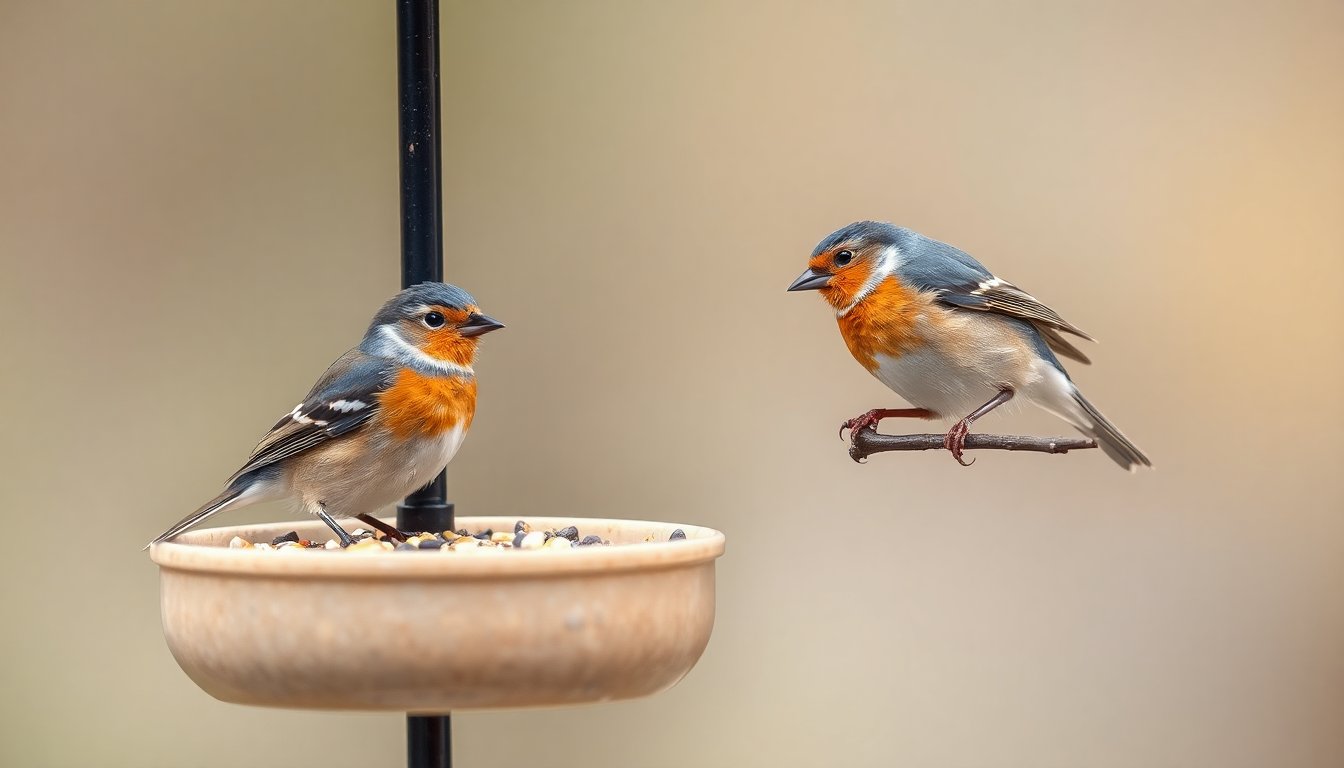
If you want a single seed that brings the widest variety of birds to your yard, black oil sunflower seed is the top choice.
Quick Answer
Black oil sunflower seed attracts the most bird species and is recommended by the Wisconsin DNR and Audubon. For finches, use nyjer (thistle) seed; for ground-feeding birds like sparrows and doves, use white millet.
Checks and Next Steps
After setting up your feeders, observe which seeds are being consumed and which birds visit. If you notice a particular seed is untouched, try swapping it for another type. Experimenting with feeder placement and seed combinations is encouraged.
Decision Tree: Which Seed Should You Choose?
| Reader Condition | Question | Branch | Recommended Next Step |
|---|---|---|---|
| I want to attract the most species overall. | Are you starting with one feeder? | Yes | Use black oil sunflower seed in a tube or hopper feeder. |
| I specifically want to attract finches. | Do you have a tube feeder with small ports? | Yes | Fill the tube feeder with nyjer (thistle) seed. |
| I want to attract ground-feeding birds like doves and sparrows. | Do you have a platform feeder or bare ground area? | Yes | Offer white millet on a platform feeder or scatter on the ground. |
| I want to attract woodpeckers and nuthatches. | Do you have a suet feeder? | Yes | Use suet cakes or peanut chunks in a suet feeder. |
What the Task Requires
To answer "what bird seed attracts the most birds," you need to know which seed types are preferred by a wide range of backyard species and how feeder selection affects which birds visit. The goal is to choose a seed that maximizes species diversity while minimizing waste and unwanted visitors.
Preparation and Constraints
Before buying seed, consider these factors drawn from sourced desk research:
- Bird species in your area: Different birds have different seed preferences, for example, mourning doves prefer millet and cracked corn, while woodpeckers favor suet. Choosing seed that matches local birds can improve your results.
- Feeder type: Tube feeders with black oil sunflower or thistle seed attract finches; platform feeders attract blue jays, cardinals, and sparrows. Platform feeders placed close to the ground can also attract ground-feeding doves, juncos, and blackbirds.
- Avoid generic mixes: Generic seed mixes often contain filler seeds that are less preferred and can lead to more waste and attraction of less-desired species.
Step-by-Step Process
Based on sourced synthesis of expert guidelines, follow these steps:
- Start with black oil sunflower seed in a tube or hopper feeder. This seed has high fat content and is favored by the greatest number of bird species.
- Add a second feeder with nyjer (thistle) seed to attract finches specifically. Tube feeders with nyjer seed attract finches.
- Offer white millet on a platform feeder or directly on the ground for sparrows, doves, and other ground-feeding birds.
- Consider suet or peanut chunks for woodpeckers, chickadees, and nuthatches.
- Provide water in a birdbath to attract a wider variety of species, especially in winter.
Practical Takeaways
- Black oil sunflower seed is the most universally attractive seed for backyard birds.
- Use a mix of feeder types to host a diverse bird community: tube feeders for finches, platform feeders for jays and cardinals, and ground platforms for doves.
- Avoid cheap generic mixes to reduce waste and unwanted visitors.
Recommendations in this article are based on desk research and sourced synthesis from university extension services and conservation organizations. No firsthand testing of products was performed.