Quick Answer
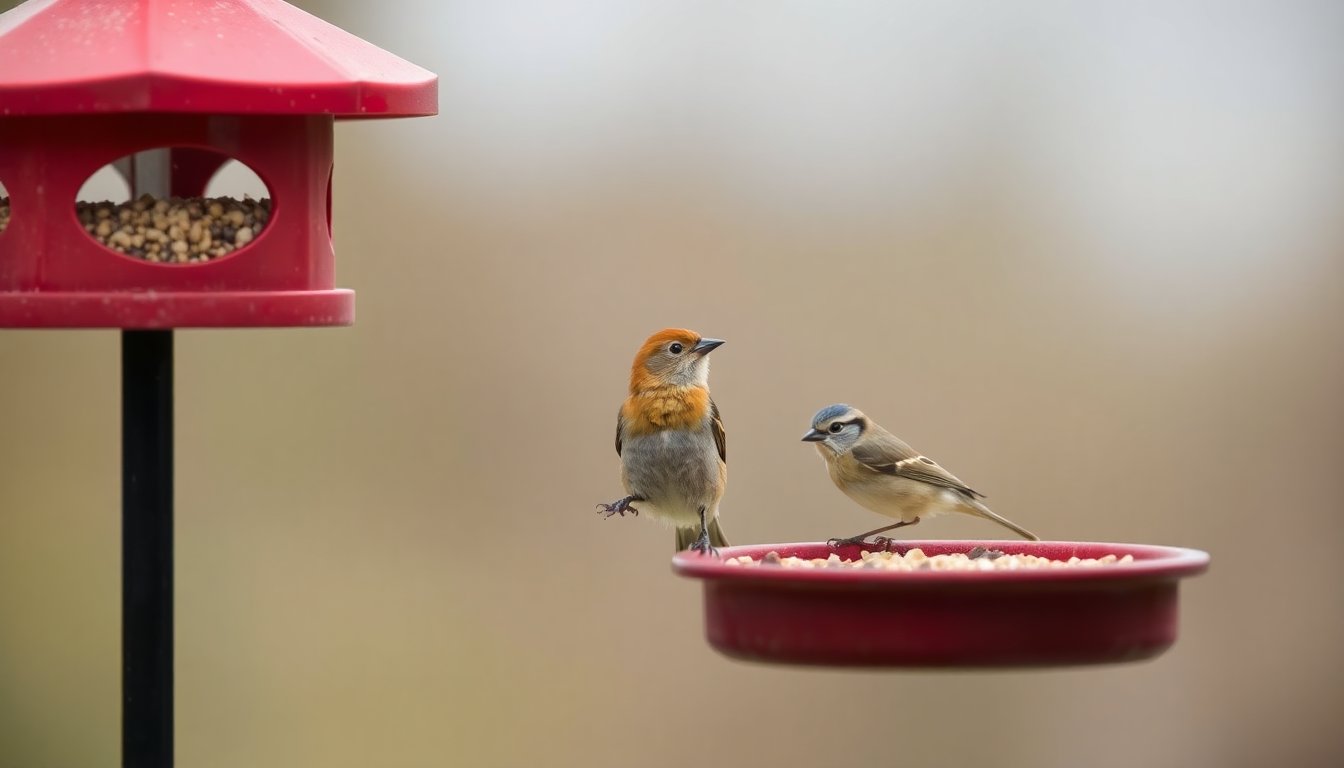
A bird feeder is a device that holds bird food and is placed outdoors to attract wild birds for observation and enjoyment. There are two broad categories: traditional bird feeders (tube, platform, hopper, suet) and smart bird feeders that include a built-in camera, automated species identification, and smartphone alerts. The best choice depends on the bird species you want to attract, your yard layout, and whether you prefer a simple setup or a tech-enabled experience that lets you watch birds remotely. Based on desk research, the key steps are to identify your target birds, select the right feeder type, choose a safe location, and maintain it properly.
Main Explanation
What the Task Requires
The task is to select and set up a bird feeder that meets your goals: attract specific bird species, provide a reliable food source, and allow you to watch birds safely. According to the University of Florida IFAS Extension, the first step is to consider which bird species you would like to attract, because different birds are attracted to different feeder types and foods. You will also need to decide whether you want a simple, non-electronic feeder or a smart feeder with a camera that can send images and species ID to your phone.
Preparation and Constraints
Before buying a feeder, assess these factors:
- Bird species you hope to see. For example, tube feeders with perches attract finches and chickadees, while platform feeders near the ground attract doves, juncos, and blackbirds.
- Feeder type. Options include tube feeders (clear plastic or glass cylinders with multiple ports), hopper feeders (gravity-fed with a tray), platform feeders (open tray), suet feeders, and smart feeders with built-in cameras.
- Location. Feeders should be placed where birds feel safe, near trees or shrubs for quick cover. Platform feeders can be placed close to the ground for ground-feeding species.
- Weather and squirrel resistance. Tube feeders with perches and feeding ports made of metal are preferable because they are less easily damaged by squirrels. For smart feeders, consider weatherproofing and solar power options.
- Budget. Smart bird feeder cameras range from about $99 on the budget end to $329 for premium multi-camera systems, as noted in a 2026 comparison article. Traditional feeders are generally more affordable.
Step-by-Step Process
Step 1: Identify your target birds. Make a list of birds you see in your area or would like to attract. Use field guides or local birding groups for reference. This will guide your feeder and food choices.
Step 2: Choose a feeder type.
- Tube feeders – Best for small songbirds like finches, chickadees, and titmice. They work well with mixed seed or nyjer seed. Tube feeders with perches and feeding ports made of metal are preferable because they are less easily damaged by squirrels.
- Platform feeders – Attract a wider variety, including ground-feeding birds like doves and juncos. Place them low to the ground or on a post.
- Hopper feeders – A classic design with a seed reservoir that dispenses into a tray. Good for many species.
- Smart feeders – These include a camera that triggers when a bird lands, sends photos or video to your phone, and often uses AI to identify the species. Some models offer flexible mounting options: pole mount, pole-top mount, wall mount, or tree mount.
Step 3: Select a location. Place the feeder:
- Within 10–15 feet of natural cover (trees, shrubs) so birds can flee from predators.
- Away from windows to reduce collision risk.
- In a spot visible from your home for easy viewing.
- For smart feeders, ensure good Wi-Fi signal strength (some models support 2.4/5 GHz dual-band) and access to sunlight if using solar panels.
Step 4: Set up and fill.
- For traditional feeders, fill with seed appropriate for your target birds (e.g., black-oil sunflower seed for most birds, nyjer for finches).
- For smart feeders, install the camera, connect to the app, and follow the manufacturer's setup instructions. Many models include solar panels for extended battery life and auto-record and instant alert features.
Step 5: Monitor and adjust. Watch which birds visit and how quickly seed is consumed. If you are not seeing the species you hoped for, try a different feeder style, move the feeder, or change the seed type.
Checks and Next Steps
- Check for cleanliness. Empty and clean feeders with a mild bleach solution (1 part bleach to 9 parts water) every 2–3 weeks, or more often in warm, wet weather. Rinse thoroughly before refilling.
- Check for damage. Repair or replace cracked feeders, bent perches, or broken camera components.
- Check for squirrel activity. If squirrels are dominating the feeder, consider a squirrel-proof feeder or add a baffle to the pole.
- Next step: Expand your setup. Once you have a successful feeder, you may add a second feeder of a different type to attract more species, or upgrade to a smart feeder camera for remote viewing and species identification.
Decision Tree: Which Feeder Path Is Right for You?
The table below routes common reader situations to the relevant section of this guide.
| Reader Condition | Question | Branch | Recommended Next Step |
|---|---|---|---|
| I want to see birds up close and have automatic species ID sent to my phone | Do you want a camera and AI bird identification? | Smart feeder | See Step 4: Smart feeder setup and review the features in. |
| I want to attract a variety of birds with minimal effort and cost | Do you prefer a simple, non-electronic feeder? | Traditional feeder | See Step 2: Choose a feeder type (tube, hopper, or platform) and Step 3: Location. |
| I have a small yard and want to hang a feeder from a tree branch | Is a hanging feeder suitable for your space? | Hanging tube feeder | See Step 2: Tube feeders (metal ports recommended) and Step 3: Placement near cover. |
| I want to watch birds from my phone while I'm away from home | Are you interested in remote viewing and alerts? | Smart feeder with camera | See Step 4: Smart feeder power, Wi-Fi, and mounting options. |
*This article is based on desk research and sourced synthesis. No firsthand testing of products was performed.
Practical Takeaways
- Start with your target birds. Different birds prefer different feeder styles and foods. For example, ground-feeding birds like doves and juncos are attracted to platform feeders placed close to the ground.
- Consider a basic feeder first. Traditional tube, hopper, or platform feeders are inexpensive, easy to maintain, and attract a wide range of species. Experiment with a couple of types to see what works in your yard.
- Smart feeders add convenience and learning. A smart feeder camera is a feeder with a built-in camera that triggers when a bird lands, sends photos or video to your phone, and often uses AI to identify the species.
- Placement matters. Feeders should be near cover (bushes, trees) to give birds a safe escape route. Platform feeders on the ground attract a different set of birds than hanging tube feeders.
- Clean regularly. Empty and scrub feeders every few weeks, especially in warm weather, based on standard backyard birding recommendations.