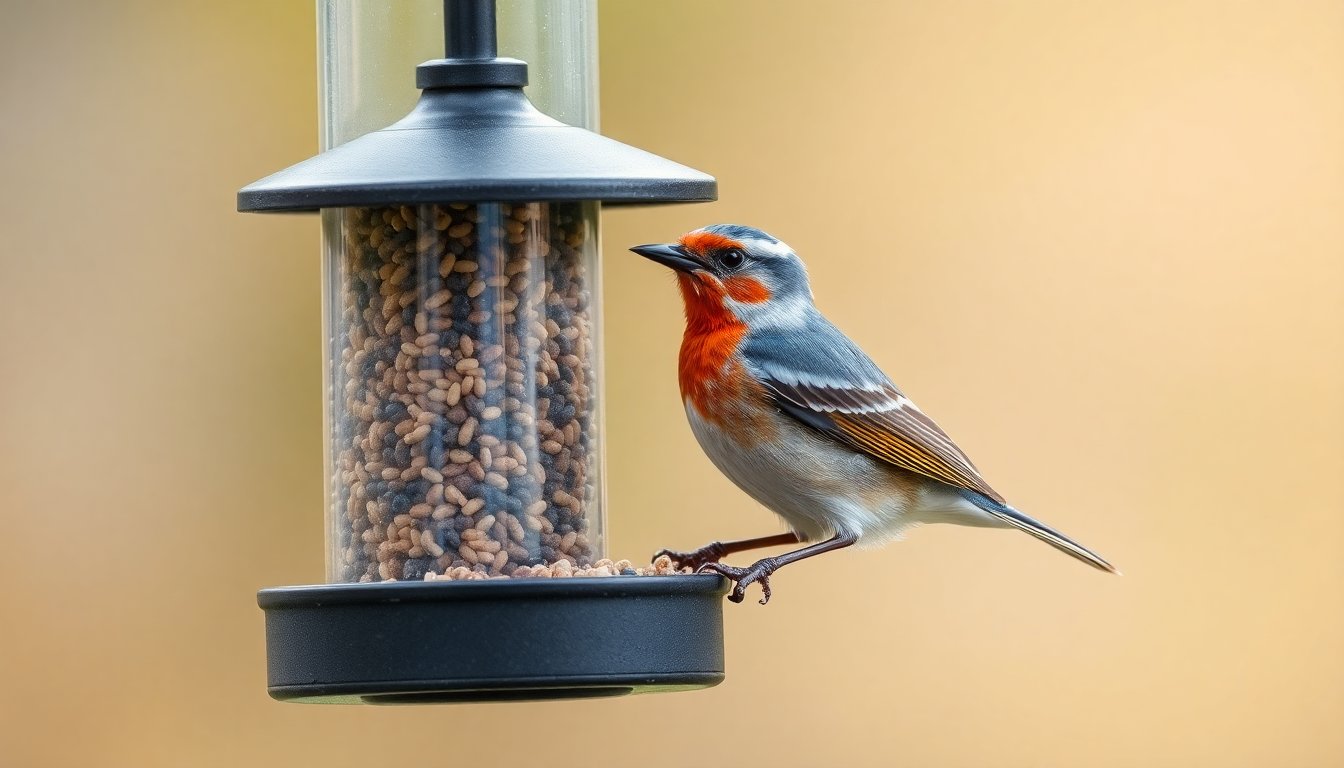
A bird feeder camera combines a feeder with a built-in motion-activated camera, sending photos or video clips to your phone and often using AI to identify the species that visit. These devices have evolved from novelty gadgets into reliable nature-watching companions, offering high-definition streaming and species recognition. This buying guide is based on desk research of published sources, including hands-on tests by Wired, Digital Camera World, TechRadar, and BetterWithBirds, to help you choose the right model for your backyard.
Who This Is For
Bird feeder cameras are for anyone who wants to watch birds from their phone, whether at home or away. They suit:
- Casual backyard birders who enjoy occasional visitors and want to learn species without constant window watching.
- Dedicated birdwatchers who want to document behavior, capture clear photos and videos, and track species over time.
- Remote viewers who travel or work away from home and want to see live feeder activity.
- Beginners who want an easy introduction to birding with automated identification and alerts.
These systems are not for people who prefer a simple, non-digital feeder or who lack a reliable 2.4 GHz Wi-Fi connection near the feeder location.
Selection Criteria
When choosing a bird feeder camera, consider the following factors, sourced from expert buying guides:
- Camera resolution: Higher resolution (1080p to 2K) provides clearer images for identifying birds and appreciating feather detail.
- AI species identification: Many models automatically identify birds using a built-in database. Check if the AI is free or requires a subscription.
- Power source: Most use rechargeable batteries with optional solar panels. Battery life varies by model and usage.
- Storage: Options include cloud storage (often with a subscription) and local microSD cards. Some offer free cloud retention for a limited period.
- Weatherproofing: Look for designs rated for rain, snow, and heat, as outdoor durability is critical.
- Ease of cleaning: Feeders with removable parts are safer for birds, as concentrated feeding can spread parasites.
- Subscription costs: Some advanced features, such as AI identification or extended cloud storage, may require a paid subscription.
- Wi-Fi requirement: All smart feeders need a stable 2.4 GHz Wi-Fi connection to send notifications and stream video.
Options and Tradeoffs
Based on published reviews, the following models represent the most popular and well-regarded bird feeder cameras. Each has distinct strengths and weaknesses.
Bird Buddy Smart Bird Feeder
Described as the best overall by Digital Camera World and BetterWithBirds, Bird Buddy offers advanced AI features, a 3800mAh rechargeable lithium-ion battery, and 5MP photos with 1080p video. It uses a free AI bird identification service and offers cloud storage with Wi-Fi. The feeder is designed for easy cleaning and comes with a solar panel option.
Netvue Birdfy (Original)
Called the most versatile option by BetterWithBirds, the Netvue Birdfy captures 1080p video and automatically sends real-time alerts. It supports both microSD and cloud storage, and includes a battery with solar option. AI identification is available, but some features may require a subscription.
Birdfy Feeder 2 Duo
Rated as the best premium model by BetterWithBirds and TechRadar, the Birdfy Feeder 2 Duo features a dual-lens system (2K main camera plus side HD camera) for multiple angles. It has a 9,000mAh battery with solar charging, free AI identification for 6,000+ species, and 30-day cloud retention. This model is recommended for users who want the highest image quality and dual perspectives.
isYoung Bird Feeder Camera
Highlighted for its night vision, the isYoung model offers 2.5K QHD resolution and includes AI identification (free). It is a budget-friendly option with good low-light performance, but may lack some of the premium build features of the top picks.
Pros
- Automated species identification: AI models can identify thousands of species, making birding accessible to beginners.
- Remote viewing: Receive real-time alerts and watch live feeds from anywhere with a Wi-Fi connection.
- High-quality media: Models capture 5MP photos and up to 2K video, allowing detailed observation.
- Solar power options: Many feeders include solar panels to extend battery life between charges.
- Easy cleaning: Removable feeders help prevent the spread of disease among birds.
Cons
- Subscription costs: Some AI features and extended cloud storage require ongoing payments.
- Wi-Fi dependency: Without a stable 2.4 GHz Wi-Fi signal, the feeder cannot send notifications or stream video.
- Battery management: Battery life varies by usage and weather; solar panels help but may not fully recharge in shaded or cloudy conditions.
- Weather sensitivity: While weatherproof, extreme cold or heat can affect battery performance and camera function.
- Squirrel interference: Many feeders require additional measures (e.g., baffles) to deter squirrels.
Which Should You Choose?
The best bird feeder camera depends on your specific priorities. If you want an all-around model with free AI and good battery life, the Bird Buddy Smart Bird Feeder is a strong choice based on multiple expert reviews. Budget-conscious users may find the isYoung model sufficient for basic needs, especially if night vision is important. Always verify that your feeder location has strong Wi-Fi and consider the total cost of ownership, including any subscription fees, before making a purchase.
This comparison is based on desk research of published sources, including hands-on testing by Wired, Digital Camera World, TechRadar, and BetterWithBirds.